
GearAndFish is reader-supported. As an Amazon Associate I earn from qualifying purchases. When you buy through links on our site, we may earn an affiliate commission, at no extra cost to you. Learn more.
The best spinning reel is not the one with the highest drag number or the most bearings. It is the reel that balances your rod, manages your line cleanly, and has the right frame strength and capacity for the water you actually fish. For most anglers who want one versatile reel, the Shimano Stradic FM C3000XG is our strongest all-around pick. The Daiwa Regal LT 2500D-XH-B is the value standout, while the PENN Battle IV 3000 is the better fit when inshore saltwater durability matters more than keeping weight to a minimum.
Which spinning reel should you buy?
Choose the Shimano Stradic FM C3000XG if you want the most complete mix of low weight, fast line pickup, strong drag, and fresh-to-light-salt versatility. Choose the Daiwa Regal LT 2500D-XH-B if value matters most. For a lower-cost freshwater setup, the Pflueger President 30 remains easy to recommend. If your fishing regularly includes saltwater, the PENN Battle IV 3000 or heavier Daiwa BG2500 make more sense than chasing the lightest reel.
Our Quick Picks
Shimano Stradic FM C3000XG
Balanced, light enough for all-day casting, and built around a fast 6.4:1 retrieve with 20 lb of published maximum drag.
Daiwa Regal LT 2500D-XH-B
A 7.1 oz reel with a 6.2:1 ratio, 34.5 inches per crank, and a deep spool that fits a wide range of freshwater setups.
Pflueger President 30
Simple, proven freshwater value with a graphite body, braid-ready spool, 10-bearing system, and 10 lb max drag.
Piscifun Carbon X II 2000
A lightweight carbon-body option for finesse-focused anglers who want a larger 2000-size spool without much added mass.
Daiwa BG2500
Heavier than the finesse reels here, but the rigid aluminum housing and long owner track record make it a strong fresh-to-salt crossover.
PENN Battle IV 3000
Full-metal construction, sealed critical areas, 15 lb max drag, and 250 yards of 15 lb braid capacity suit demanding inshore use.
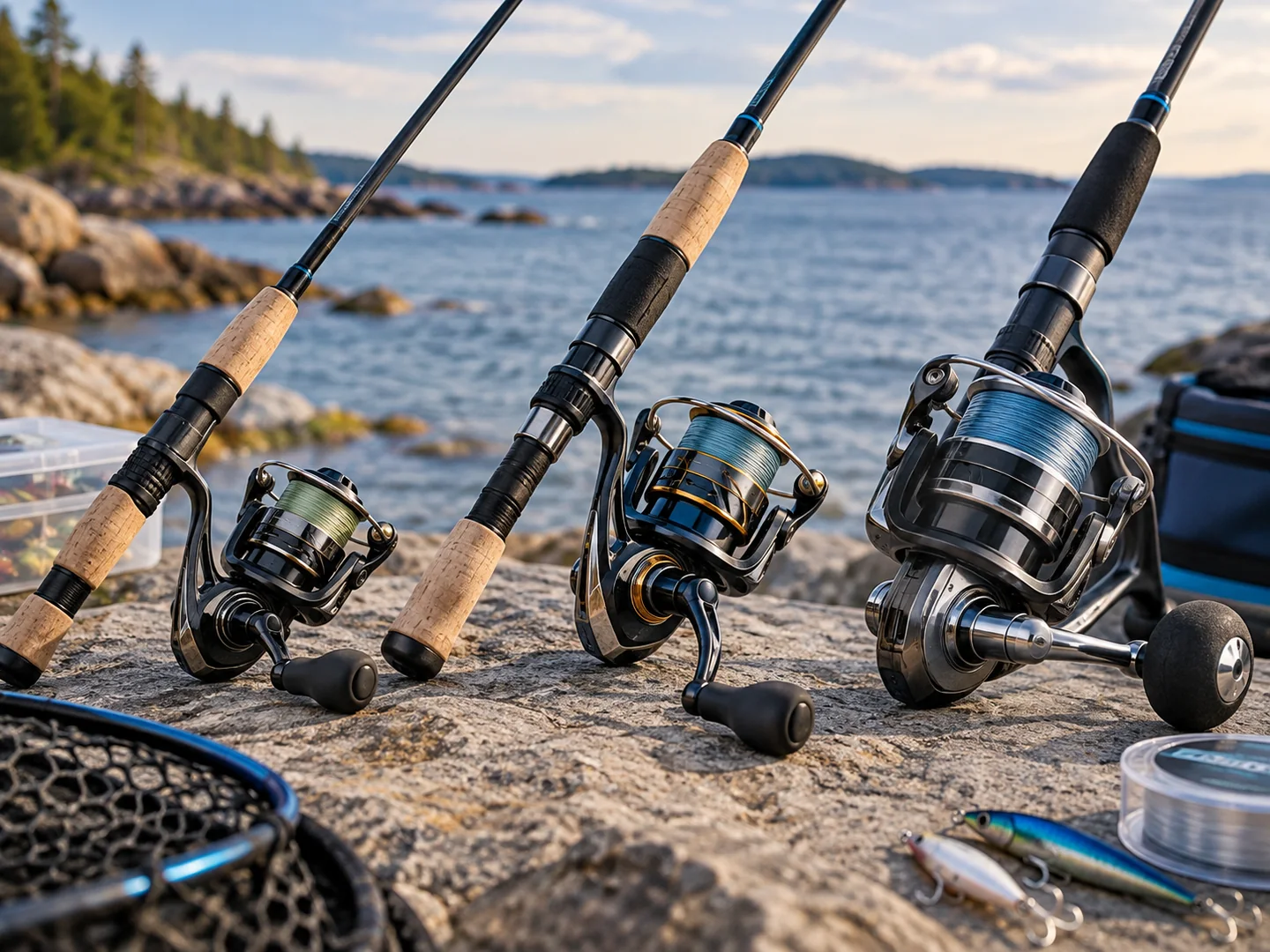
Best Spinning Reels Compared
| Reel | Best for | Gear ratio | Max drag | Key capacity | Why it stands out | Amazon |
|---|---|---|---|---|---|---|
| Shimano Stradic FM C3000XG | All-around use | 6.4:1 | 20 lb | 20 lb braid / 140 yd | 7.9 oz body, 37 in pickup, strong line management | Check availability |
| Daiwa Regal LT 2500D-XH-B | Freshwater value | 6.2:1 | 22 lb | 10 lb braid / 250 yd | 7.1 oz, fast pickup, deep spool | Check availability |
| Pflueger President 30 | Budget freshwater | 5.2:1 | 10 lb | 8 lb braid / 190 yd | Good line control and straightforward value | Check availability |
| Piscifun Carbon X II 2000 | Light finesse | 5.2:1 or 6.2:1 family | 22 lb | 2000 size | Carbon body, 7.2 oz published weight for size 2000 | Check availability |
| Daiwa BG2500 | Rugged fresh/salt crossover | 5.6:1 | 13.2 lb | 20 lb braid / 170 yd | Rigid aluminum body and durable reputation | Check availability |
| PENN Battle IV 3000 | Inshore saltwater | 6.2:1 | 15 lb | 15 lb braid / 250 yd | Full metal body plus Hydro Armor sealing | Check availability |
Shimano Stradic FM C3000XG
The best fit for anglers who want one refined reel to cover bass, walleye, general freshwater, and light inshore work.
Overall
The Stradic FM C3000XG sits in the sweet spot between finesse reels and dedicated saltwater workhorses. Shimano lists the C3000XG at 7.9 ounces, with a 6.4:1 gear ratio, 20 pounds of maximum drag, and 37 inches of line pickup per crank. That combination is unusually versatile: the reel is light enough to pair with a medium-light or medium spinning rod, yet its drag and capacity leave room for larger freshwater fish and reasonable light-inshore duty.
The reason it earns our top spot is not a single headline spec. It is the balance of weight, frame rigidity, smooth load handling, and line management. Independent review coverage of this exact C3000XG FM has also been consistently positive about smoothness and power under load. Owner discussions are not completely uniform, with occasional noise or feel complaints, so the Stradic is not immune to sample-to-sample variation. Even so, the broader signal remains stronger than for most mid-to-premium alternatives.
What works
- Excellent all-purpose 3000-size balance
- Fast line pickup for slack management
- 20 lb published maximum drag
- Strong freshwater and light-inshore versatility
Trade-offs
- Costs substantially more than value-focused reels
- Fast 6.4:1 gearing is not ideal for every slow presentation
- Occasional owner reports mention noise or rough feel
Daiwa Regal LT 2500D-XH-B
A light, quick freshwater reel that gives up little in practical performance while keeping the purchase easier to justify.
Value
Daiwa’s current Regal LT 2500D-XH-B is the value reel we would start with for a freshwater setup. Published specs put it at 7.1 ounces with a 6.2:1 ratio, 34.5 inches of line pickup, 22 pounds of maximum drag, and a deep spool rated for 250 yards of 10-pound J-Braid. The light ZAION V body and AIRDRIVE rotor/bail architecture keep it notably easier to balance on modern medium-light and medium rods than older metal-bodied reels.
The owner signal is unusually strong for the price class. Across fishing communities and current retailer reviews, the recurring themes are smooth drag, good line handling, and a feeling that the reel performs above its cost. The main reason it does not replace the Stradic as our overall pick is application breadth: the Regal makes the most sense as a freshwater-first reel, while the Stradic is a more convincing one-reel solution for anglers who cross between environments.
What works
- Very light for a full-capacity 2500 reel
- Fast retrieve and generous deep-spool capacity
- Strong drag rating on paper
- Excellent owner value signal
Trade-offs
- Freshwater-first choice rather than a dedicated saltwater reel
- Deep spool may be more capacity than finesse anglers need
- Less premium drivetrain feel than higher-tier Shimano and Daiwa models
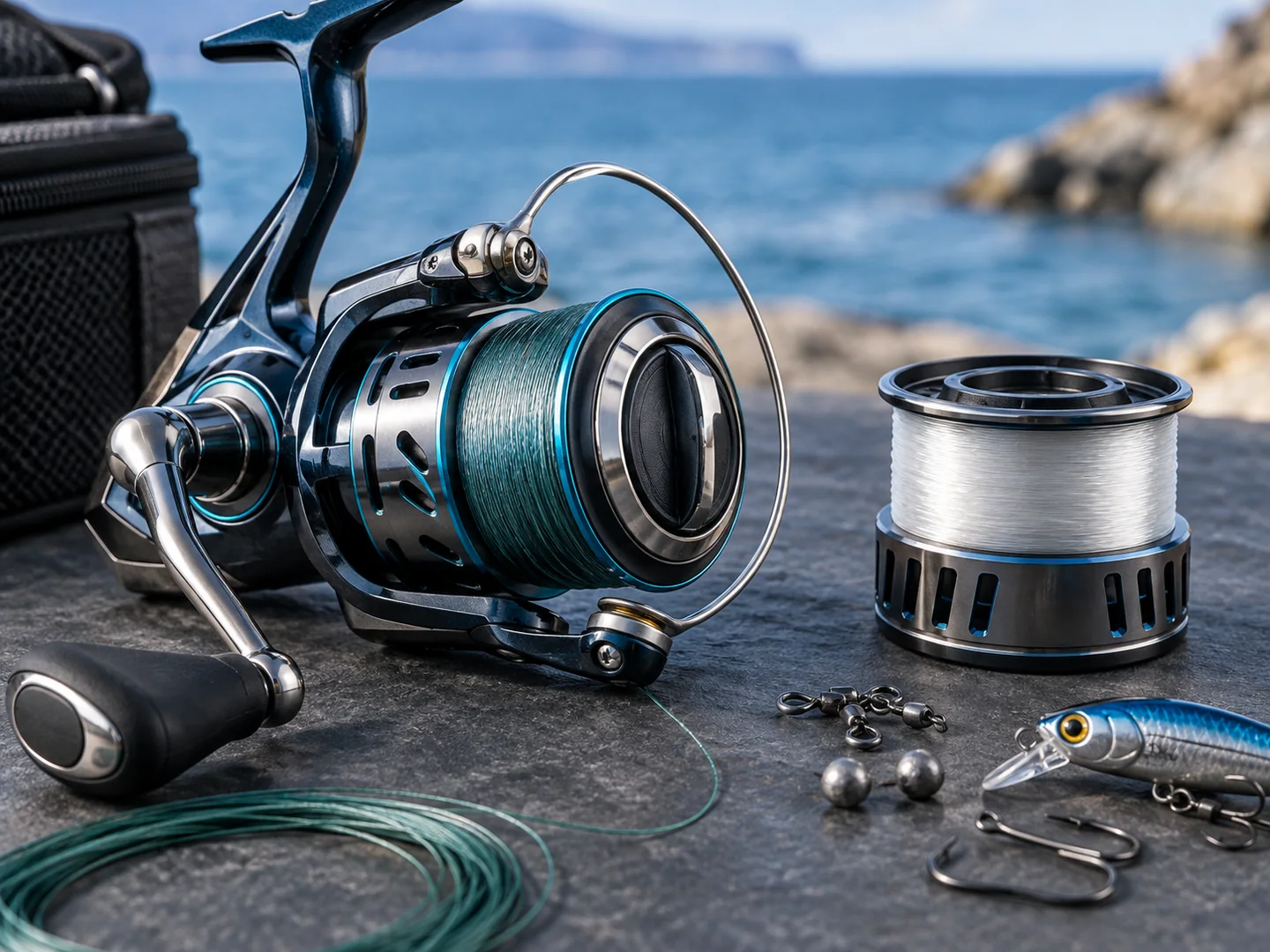
Pflueger President 30
A straightforward freshwater reel for anglers who want good line management and a familiar platform without paying for premium features.
Pick
The current President 30 keeps the formula simple: graphite body and rotor, aluminum braid-ready spool, slow oscillation, and Pflueger’s Total Line Control System. The size 30 model is rated at 5.2:1 with 10 pounds of maximum drag and 190 yards of 8-pound braid capacity. That is enough for most bass, panfish, walleye, and general freshwater work.
There is a reason the President remains common on beginner and intermediate setups. Owners repeatedly describe the platform as smooth and easy to live with. At the same time, current feedback is more mixed than the long-term reputation of older Presidents: recent manufacturer reviews include several handle-loosening or lost-handle complaints, and community discussions increasingly point toward Daiwa or Shimano when durability is the first priority. That makes the President a value pick, not an automatic category winner.
What works
- Simple freshwater-focused feature set
- Good braid-ready line management
- 10-bearing system in size 30
- Easy choice for a first serious spinning setup
Trade-offs
- 10 lb maximum drag is modest beside some rivals
- Recent owner feedback includes handle-loosening complaints
- Not our first choice for frequent saltwater use
Piscifun Carbon X II 2000
A low-mass carbon reel for finesse anglers who want a 2000-size spool and strong published drag without moving to premium-brand pricing.
Value
The Carbon X II 2000 fills an interesting gap between tiny ultralight reels and ordinary 2500-size freshwater models. Piscifun lists the 2000 at 7.2 ounces, with 22 pounds of maximum drag and 10+1 sealed stainless bearings. The Amazon variant mapped in this article is the exact 2000 size, not the lighter 1000 that is often used in headline marketing.
That variant discipline matters because the Carbon X II family spans several sizes and gear ratios. The 2000 makes sense for finesse bass, trout, panfish, and walleye setups where a larger spool can improve line behavior and casting compared with a very small 1000. Owner feedback is more divided than for the Regal LT: some anglers praise the drag and low weight, while others call it merely adequate. We see it as a specialist value option rather than the safest general-purpose recommendation.
What works
- Light carbon construction
- Useful 2000-size spool for finesse applications
- Strong published drag rating
- Sealed bearing system
Trade-offs
- Owner consensus is less consistent than Regal LT or Stradic
- Model family has multiple sizes and ratios, so variant selection matters
- Freshwater is the clearest fit
Daiwa BG2500
The pick for anglers who accept extra weight in exchange for a rigid aluminum body and a well-established durability record.
Pick
The BG2500 is not the lightest or newest reel in this guide, and that is exactly why it still has a place. Daiwa lists a machined aluminum body and sideplate, a 5.6:1 ratio, 33.2 inches of line pickup, 13.2 pounds of maximum drag, and a 9.3-ounce published weight. It feels more substantial than the Regal LT or Stradic, but that rigid construction is the point.
Long-term owner discussions repeatedly praise the BG for toughness in saltwater and for staying smooth after hard use. The recurring downside is just as consistent: weight. On a medium or medium-heavy rod, 9.3 ounces can feel reassuringly planted; on a light finesse rod, it can make the outfit nose- or reel-heavy and more tiring over a long casting session. Buy the BG because you want a durable frame, not because you are chasing minimal weight.
What works
- Rigid aluminum housing
- Strong fresh-to-salt crossover reputation
- Good line capacity for a 2500
- Proven platform with broad parts and service familiarity
Trade-offs
- Heavier than modern composite-body competitors
- 13.2 lb maximum drag trails some lighter reels on paper
- Not the best pairing for ultralight or finesse rods
PENN Battle IV 3000
A purpose-built inshore choice for anglers who need metal construction, useful braid capacity, and better water protection than typical freshwater reels.
Pick
The Battle IV 3000 is the most saltwater-focused reel in this group. PENN pairs a full metal body and sideplate with its Hydro Armor system around critical areas, HT-100 carbon-fiber drag washers, CNC Gear technology, and a Superline spool. The 3000 model is rated at 6.2:1, 15 pounds of maximum drag, and 250 yards of 15-pound braid.
The current owner signal fits the design brief: the Battle IV is repeatedly described as solid, smooth under load, and useful for inshore and heavier applications. The trade-off is mass and feel. A metal 3000-size saltwater reel will not balance like a lightweight carbon 2000. If your actual fishing is freshwater finesse, this is unnecessary. If your reel sees spray, redfish, snook, jetties, or other inshore abuse, that extra structure is easier to justify.
What works
- Full metal body and sideplate
- Hydro Armor protection around critical areas
- Useful 3000-size braid capacity
- Strong fit for inshore fishing
Trade-offs
- Overbuilt for light freshwater work
- Not as light or refined as premium freshwater-focused reels
- Saltwater still requires rinsing and routine care
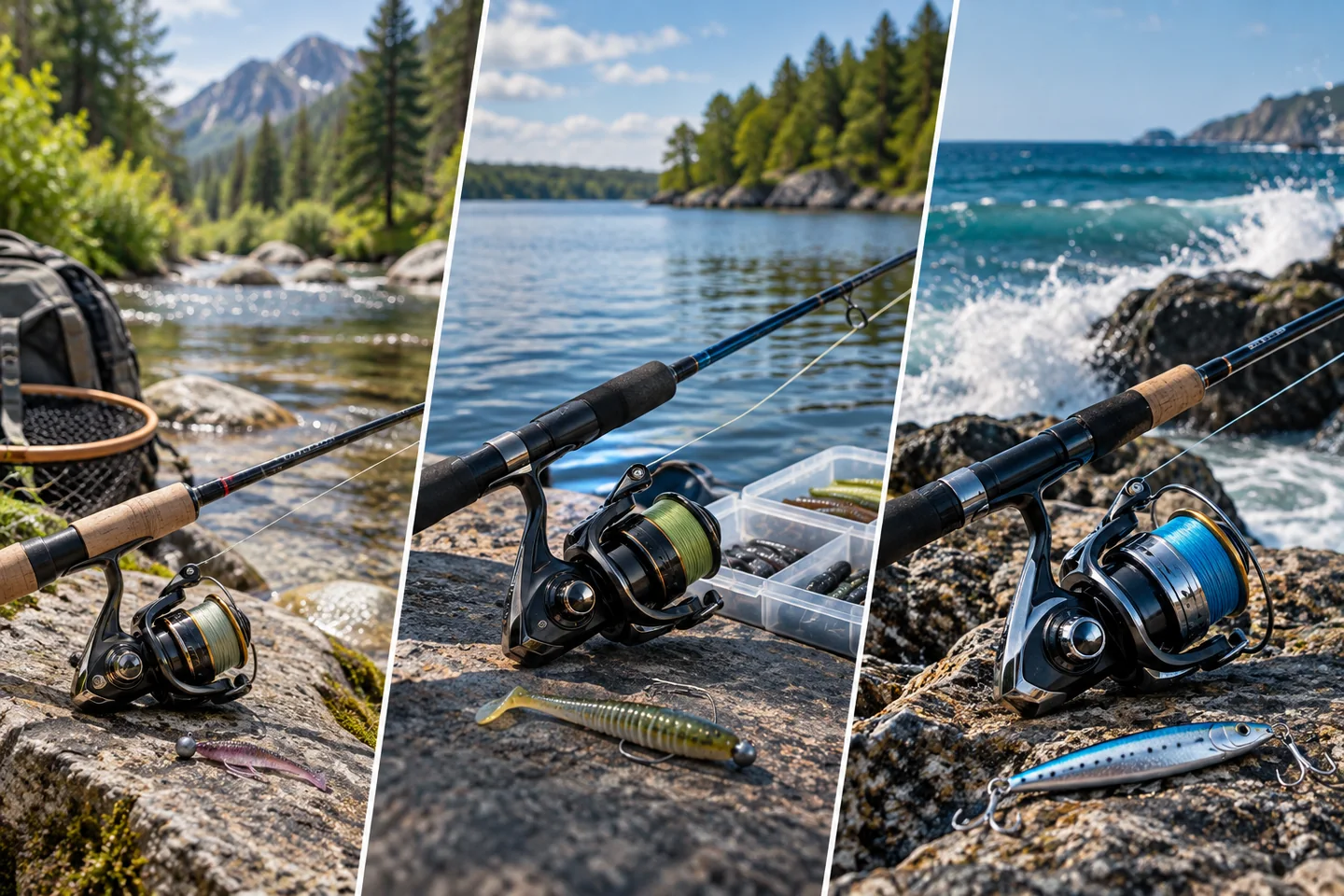
How to Choose a Spinning Reel
Spinning reels look similar on a product page, but a few specifications change how a setup feels and what it can handle. Start with the fishing you actually do, then use the numbers to narrow the field.
1. Start with reel size, not maximum drag
For most freshwater anglers, 2000 to 3000 is the useful middle. A 1000 or compact 2000 is better for ultralight rods, trout, panfish, and small lures. A 2500 or compact 3000 is the most versatile zone for bass, walleye, mixed freshwater, and light inshore fishing. Move larger when you need more line capacity, heavier leaders, stronger rods, or sustained saltwater duty.
There is no universal sizing standard across brands. A Daiwa 2500, Shimano C3000, Pflueger 30, and PENN 3000 are not identical in spool diameter, body size, or capacity. Compare the actual weight and line-capacity table instead of relying on the number alone.
2. Match reel weight to the rod
A light reel is not automatically better. On a 6-foot ultralight or 7-foot medium-light rod, dropping a few ounces can make repeated casting more comfortable. On a longer inshore rod, a slightly heavier metal reel can improve balance and add useful rigidity. This is why the Regal LT and Carbon X II suit finesse work while the BG and Battle IV make more sense when toughness is the priority.
3. Treat maximum drag as a ceiling, not a target
Maximum drag is easy to market because bigger numbers look impressive. In practice, line strength, knots, leader material, rod power, and hook size usually limit useful drag well before the reel reaches its published maximum. A smooth, controllable drag at normal settings matters more than a huge headline number.
4. Gear ratio and line pickup affect presentation
Gear ratio tells you how many rotor turns happen per handle revolution, but inches per crank is the more direct measure of line pickup. A fast reel such as the Stradic C3000XG is useful for taking up slack, burning moving baits, and quickly resetting a cast. A slower reel can make it easier to maintain a deliberate retrieve with bottom-contact presentations.
5. Saltwater use changes the priority list
For regular saltwater fishing, frame rigidity, sealing around critical areas, corrosion-resistant components, and capacity deserve more weight than absolute lightness. No spinning reel in this class is maintenance-free. Rinse salt and grit with gentle fresh water, dry the reel, and follow the manufacturer service schedule instead of blasting the reel with high-pressure water.
6. Line management is a system
Wind knots and loose coils are not only reel problems. Spool fill, line diameter, braid stiffness, leader knots, bail closing habits, and line tension all matter. Choose a reel with a spool size that fits your line, avoid overfilling, and manually close the bail when practical. A larger spool can also reduce tight coils and improve handling on longer casts.
How We Evaluated These Reels
We looked for six distinct buyer roles rather than naming six versions of the same reel. Each pick had to have a current exact model or variant, a verifiable Amazon.com US ASIN, published specifications from the manufacturer or a reliable product source, and enough external evidence to identify meaningful strengths and trade-offs.
Frequently Asked Questions
What size spinning reel is best for most freshwater fishing?
A 2500 or compact 3000 is the most versatile starting point for bass, walleye, and mixed freshwater fishing. A 1000 or 2000 is better for ultralight and finesse use, while larger sizes make more sense when capacity and heavier line matter.
Is a 3000 reel too big for bass fishing?
Not necessarily. A compact 3000 can balance well on a medium or medium-light bass rod and usually offers useful spool diameter and line capacity. Compare actual weight and capacity because brand sizing is not standardized.
How much drag do I need on a spinning reel?
Most freshwater setups do not need extreme drag numbers. Smooth adjustment and predictable pressure matter more than the published maximum. Match drag to your line, leader, hooks, rod, and target species.
Can I use a freshwater spinning reel in saltwater?
Occasional light saltwater use can be reasonable for some reels, but frequent saltwater fishing favors models with more corrosion protection, rigid construction, and sealing around critical areas. Follow the manufacturer care instructions and rinse gently after exposure.
Are more ball bearings always better?
No. Bearing count alone does not tell you gear quality, alignment, sealing, line lay, or durability. A well-engineered reel with fewer bearings can outperform a cheaper reel with a larger bearing count.
Should I choose a 5.2:1 or 6.2:1 spinning reel?
A faster ratio is helpful when you need quick slack pickup or a faster retrieve. A slower ratio can feel more controlled for deliberate presentations. Inches per crank is the better comparison because spool diameter also affects actual line pickup.
Bottom Line
If you want one reel that can cover the widest range of normal spinning work, the Shimano Stradic FM C3000XG is the strongest overall choice here. The Daiwa Regal LT 2500D-XH-B is the smarter value move for freshwater. The PENN Battle IV 3000 is the better answer when saltwater exposure and inshore strength matter more than shaving ounces. Match the reel to the rod and water first, then let price and features break the tie.