

GearAndFish is reader-supported. As an Amazon Associate I earn from qualifying purchases. When you buy through links on our site, we may earn an affiliate commission, at no extra cost to you. Learn more.
The best fishing pliers are not the pair with the longest feature list. They are the pair that can remove hooks cleanly, cut the line you actually fish, survive the water you fish, and stay close enough to reach when a fish is beside the boat, bank, or kayak.
For most anglers, a compact aluminum or corrosion-protected steel pair with a good cutter, narrow jaws, a secure grip, and a tether is the practical sweet spot. Dedicated split-ring work is different: a purpose-built ring opener is still easier to control than the tiny tooth built into many multipurpose pliers.
Best fishing pliers for most anglers
Piscifun Saltwater Fishing Pliers are our best overall pick because the current Amazon variant combines an aluminum body, split-ring tip, hook-removal jaws, replaceable tungsten carbide cutters, spring-loaded operation, sheath, and lanyard in one light package. Move up to the Danco Premio 6.5-inch Titanium if corrosion resistance and long-term ownership matter more than purchase price. Choose the Texas Tackle 30100 if your main job is changing hooks and split rings on lures.
Quick picks
Piscifun Saltwater Fishing Pliers
Light aluminum body, replaceable carbide cutters, split-ring tip, sheath, and lanyard make this the easiest all-purpose recommendation.
Danco Premio 6.5-inch Titanium
Machined titanium and replaceable cutters make sense for frequent saltwater anglers who want to buy one serious pair.
Bubba 6.5-inch Stainless Steel Pliers
High-carbon stainless construction, carbide cutters, crimping cutouts, and a substantial non-slip grip favor hard pulling and rigging work.
Rapala 7-inch Elite Pliers
Cerakote protection, magnetic spring and lock hardware, hybrid jaws, and replaceable cutters make this a refined all-around option.
Texas Tackle 30100 Split-Ring Pliers
A dedicated 5-inch standard-size tool with a wedge tip for changing hooks and rings more precisely than a multipurpose nose.
Fishing pliers comparison
Material matters, but so does the job. Aluminum saves weight, coated stainless favors strength, titanium gives the strongest corrosion-resistance story, and a dedicated split-ring tool trades versatility for precision.
| Pick | Material | Length | Line cutter | Split rings | Best for | Amazon |
|---|---|---|---|---|---|---|
| Piscifun Saltwater Fishing Pliers | Aluminum body, coated steel jaws | Current listing does not lead with length | Replaceable tungsten carbide | Integrated tip | All-purpose fresh and saltwater carry | Amazon |
| Danco Premio Titanium | Machined titanium | 6.5 in | Replaceable cutters | General jaw work | Frequent saltwater use | Amazon |
| Bubba Stainless Steel Pliers | High-carbon stainless, titanium-nitride coating | 6.5 in | Carbide | Not the main strength | Leverage, crimping, heavier rigging | Amazon |
| Rapala Elite Pliers | Coated metal construction | 7 in | Replaceable carbide | General lure work | Refined general-purpose feature set | Amazon |
| Texas Tackle 30100 | Surgical stainless steel | 5 in standard | No | Dedicated wedge tip | Changing hooks and split rings | Amazon |
Piscifun Saltwater Fishing Pliers
Aluminum
Replaceable carbide
Yes
All-purpose carry
Danco Premio 6.5-inch Titanium
Titanium
6.5 in
Replaceable
Saltwater
Bubba 6.5-inch Stainless Steel Pliers
Coated stainless
6.5 in
Carbide
Rigging leverage
Rapala 7-inch Elite Pliers
Cerakote
7 in
Replaceable carbide
General-purpose use
Texas Tackle 30100
Stainless
5 in
No
Split rings
Piscifun Saltwater Fishing Pliers
The most complete everyday tool in this group for anglers who want low weight, a split-ring tip, and a real braid cutter without jumping into premium titanium pricing.
Top Pick
Fishing pliers often fail as everyday carry tools because they specialize too hard in one direction. Heavy steel is strong but can feel bulky. Tiny aluminum pliers are easy to carry but can feel underbuilt for twisting stubborn hooks. This Piscifun model lands in a useful middle ground: the aluminum body keeps carry weight reasonable, while the replaceable tungsten carbide cutters are designed for braid, mono, and heavier leader material.
The split-ring nose is useful for occasional lure hardware changes, and the spring-loaded jaws help when one hand is occupied. The current Amazon variant also bundles a nylon sheath and lanyard, which matters more than it sounds. Pliers that live loose in a hatch or tackle bag are often too far away at the exact moment you need them.
Why it stands out
- Light aluminum body is easier to carry all day
- Replaceable carbide cutter is a meaningful advantage for braid users
- Split-ring tip covers occasional lure hardware work
- Sheath and lanyard are included in the exact Amazon variant
Trade-offs
- Aluminum is not the first choice for maximum twisting force
- Spring-loaded mechanisms add another moving part to rinse and maintain
- Dedicated split-ring pliers are still more precise for repeated hook swaps
Danco Premio 6.5-inch Titanium Pliers
A premium saltwater choice for anglers who value low corrosion risk, low weight, and replaceable wear parts enough to justify the cost.
Premium
Titanium is the reason to buy the Premio. Saltwater users repeatedly pay extra for tools that do not turn into a maintenance project after every trip, and titanium gives this pair a different ownership proposition from coated steel. The 6.5-inch size is also compact enough for belt or deck carry without becoming a miniature tool.
The real value is not a giant feature list. It is the combination of titanium construction, a rigid working feel, and replaceable cutters. That makes the Premio easier to justify for anglers who fish saltwater frequently and plan to keep the same pair for years rather than treat pliers as a disposable accessory.
Why it stands out
- Machined titanium construction is ideal for corrosion-prone environments
- Replaceable cutters extend service life
- Compact 6.5-inch format is easy to carry
- Owner discussions consistently praise the Premio for saltwater use and stiffness
Trade-offs
- Much more expensive than aluminum or coated stainless options
- Overkill for occasional freshwater use
- Not a substitute for a purpose-built heavy crimper
Bubba 6.5-inch Stainless Steel Pliers
The pick for anglers who care more about a substantial grip, crimping cutouts, and steel strength than shaving ounces from a belt or kayak loadout.
Strong
This is the pair to look at when lightweight aluminum feels too delicate for the way you rig. The combination of steel construction, crimping cutouts, and Bubba’s large non-slip handle makes it better suited to leverage-heavy tasks than the smallest lightweight pliers.
The trade is obvious: a beefier steel tool is not as pleasant to carry ultralight, and no coating removes the need for basic saltwater care. Rinse it after salt exposure, dry it, and do not treat the titanium-nitride finish as permission to leave salt crust on the hinge.
Why it stands out
- Steel body favors strength and rigidity
- Carbide cutters and crimping cutouts expand rigging use
- Large non-slip grip is easy to control with wet hands
- Molded sheath gives it a defined carry position
Trade-offs
- Heavier and bulkier than aluminum or titanium alternatives
- Coated stainless still deserves rinsing after saltwater use
- Not designed as a dedicated split-ring tool
Rapala 7-inch Elite Pliers
A refined general-purpose pair with smart jaw control, replaceable cutters, and a protective finish rather than a bare-bones tool.
Feature
The Elite is more interesting than a standard spring-loaded plier because Rapala built a lock into the system. The jaws stay ready during use, then secure closed for storage. The hybrid jaw design also separates hook-gripping teeth from a flatter rear section intended for gripping line and leaders.
It is a good fit for anglers who appreciate a more engineered feel and want one tool to handle hook removal, line work, crimping, and normal rigging. It is not the cheapest route to those functions, and anglers who only need basic hook removal can spend less.
Why it stands out
- Replaceable carbide cutters support multiple line types
- Mag Spring keeps jaws ready while Mag Lock secures storage
- Cerakote is intended to resist abrasion and corrosion
- Hybrid jaw layout separates hook grip from line and leader grip
Trade-offs
- More mechanisms mean more parts to keep clean
- Pricier than simple aluminum all-purpose pliers
- Dedicated split-ring work is not its main reason to buy
Texas Tackle 30100 Split-Ring Pliers
The better answer when changing hooks and split rings is a frequent task and an integrated split-ring tooth feels fiddly.
Specialist
Many fishing pliers advertise a split-ring tip, but that does not make them equally pleasant for changing hooks. Texas Tackle’s design centers the entire tool around opening the ring cleanly, with a hardened wedge tip and short handles that improve control around small lure hardware.
That specialization is also the downside. There is no braid cutter and it is not the tool you buy as your only pair of pliers. Think of it as the second tool for a lure box, especially if you replace treble hooks, tune lure hardware, or swap split rings often.
Why it stands out
- Purpose-built wedge tip is easier to control than many multipurpose split-ring noses
- Compact 5-inch standard size suits common lure hardware
- Color-coded orange grip helps identify the standard model
- Simple specialist design has one clear job
Trade-offs
- No line cutter
- Not a replacement for hook-removal pliers
- Anglers using very tiny or very heavy rings may need a different Texas Tackle size
How to choose fishing pliers
Start with the hardest job, not the material
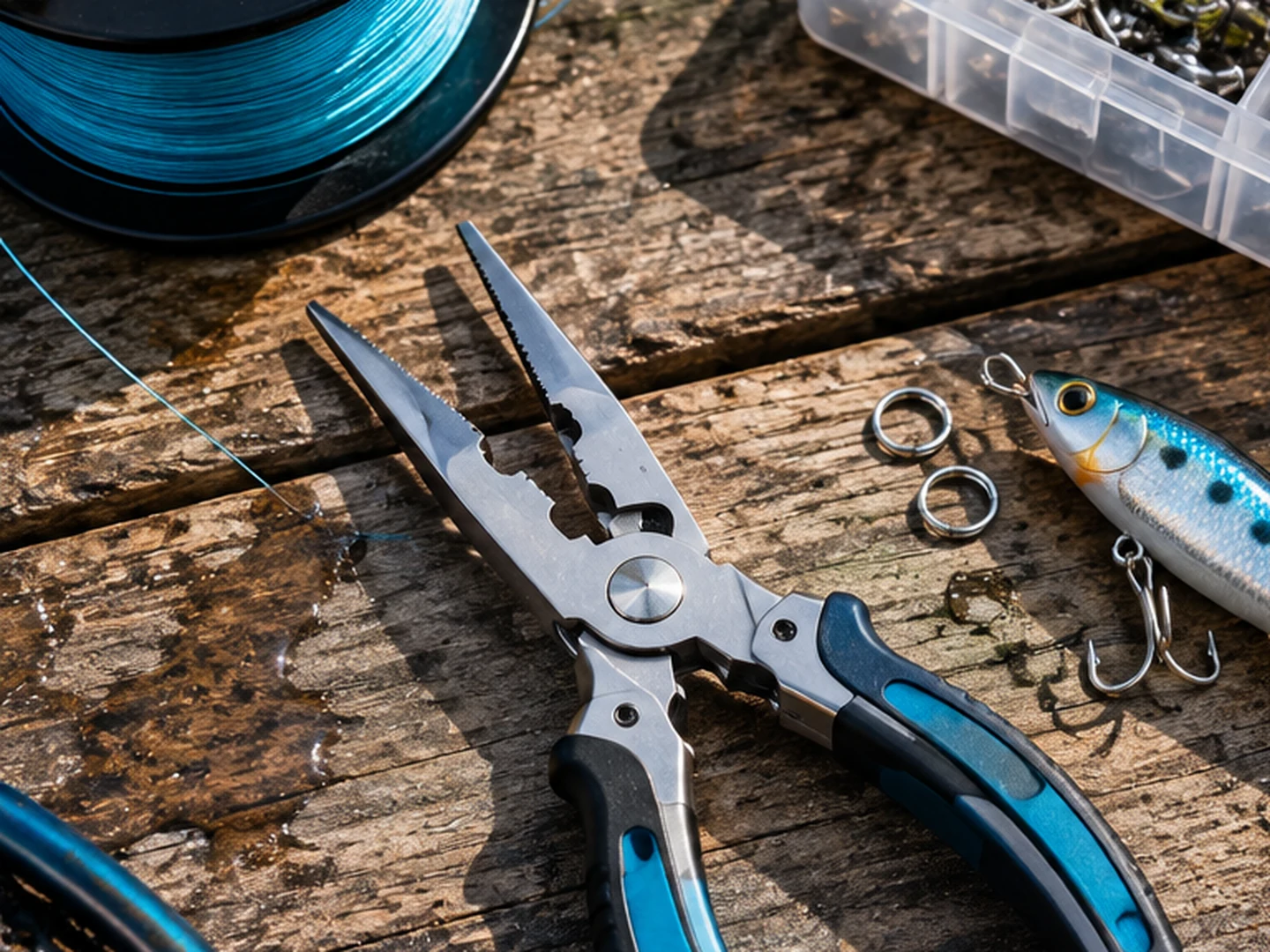
If you mainly remove small hooks from bass, trout, panfish, or inshore species, narrow jaws and good one-hand control matter more than brute force. If you build leaders, crimp sleeves, or work larger hooks, prioritize rigidity, jaw strength, and a grip that gives leverage. If your real frustration is changing treble hooks, buy dedicated split-ring pliers instead of forcing a general-purpose pair to do specialist work.
Aluminum vs stainless steel vs titanium
Aluminum keeps weight down and resists red rust, which is why it is common on kayak and saltwater-oriented pliers. The compromise is lower resistance to bending under high torque compared with a stout steel tool. Coated stainless steel gives a stronger, more traditional plier feel, but salt can still attack hinges, cutters, fasteners, and damaged coating. Titanium is the premium corrosion-resistant option, but the price only makes sense if you fish enough to benefit from it and are unlikely to lose the tool.
Cutters matter more if you fish braid
A dull side cutter that crushes braid instead of slicing it is one of the fastest ways to hate a pair of fishing pliers. Look for replaceable carbide cutters if braid is part of your normal setup. Replaceability matters because even good cutter edges are wear parts, especially if they are asked to cut leader wire or hard materials they were not designed for.
Length changes reach and leverage
Around 6.5 to 7 inches is a useful general-purpose size for many anglers. Shorter tools are easier to carry and can give excellent control on lure hardware. Longer pliers can improve reach around toothy fish or deeper hook positions, but they are more cumbersome on a belt or PFD. For deeply swallowed hooks, a dedicated long hook remover can be safer and more effective than simply buying a longer everyday plier.
Do not ignore the sheath, tether, and saltwater care
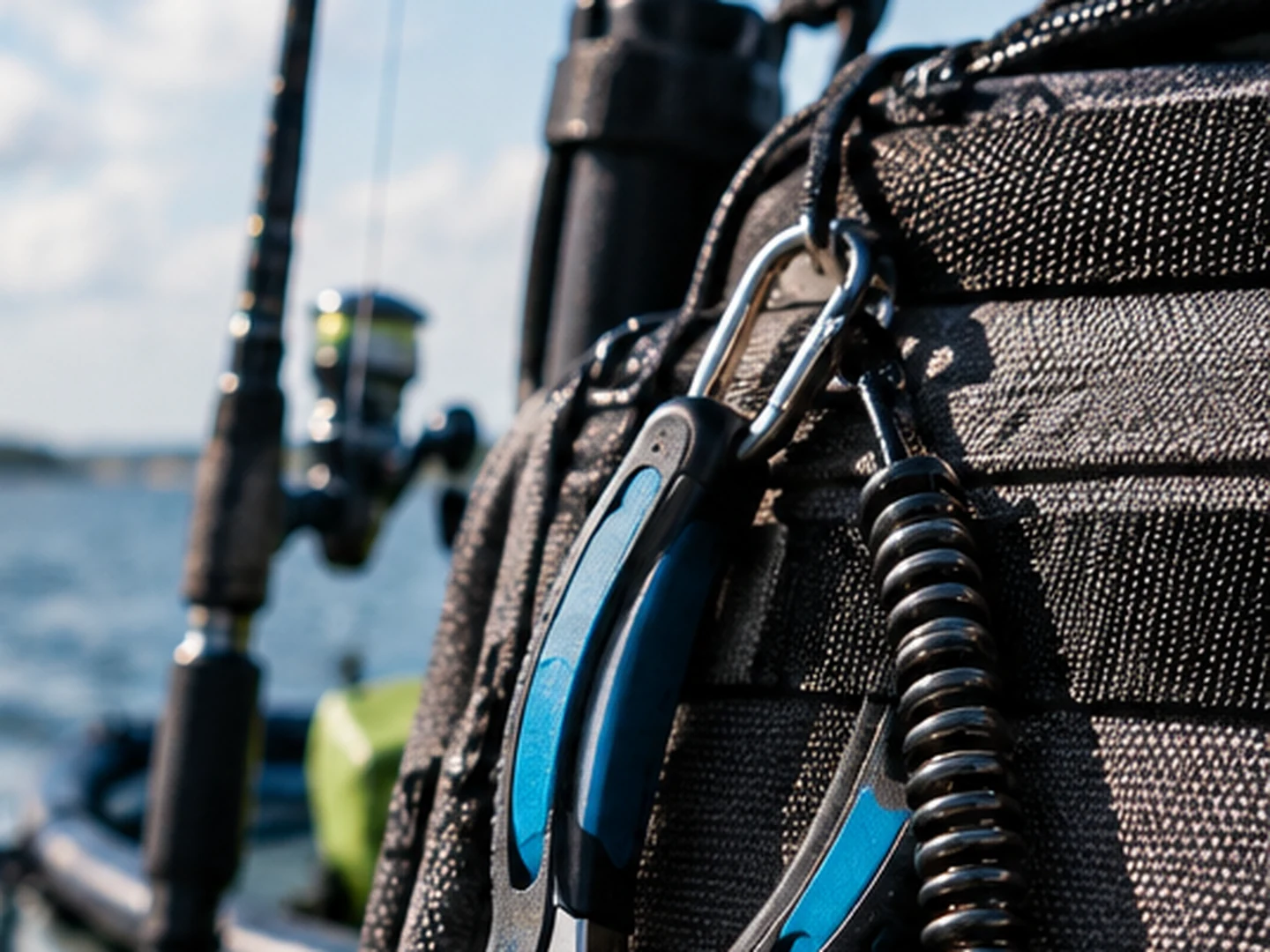
A plier is only useful if it is reachable. On a kayak or boat, a coiled tether clipped to a sheath, bag, seat, or PFD dramatically reduces the chance that one dropped tool becomes a donation to the bottom. Bank anglers may prefer a sheath on a belt or pack strap rather than a tether that catches brush.
Saltwater care is simple: rinse pliers with fresh water after use, work the hinge while rinsing, dry the tool, and follow the manufacturer’s maintenance guidance. Pay attention to the pivot, cutter screws, spring hardware, and any place where dissimilar metals meet. Corrosion-resistant does not mean maintenance-free.
How we chose these fishing pliers
GearAndFish did not physically test these pliers. This shortlist is based on current manufacturer specifications, current Amazon.com US listing verification, recent fishing-publication roundups, and recurring owner discussions about corrosion, cutter performance, stiffness, carry, and split-ring usability.
Frequently asked questions
Are aluminum or stainless steel fishing pliers better?
Neither is universally better. Aluminum is lighter and avoids red rust on the body, while stainless steel usually gives a stiffer, stronger tool for higher-torque work. Saltwater anglers should also consider the jaws, cutters, pivot, fasteners, and coating because those parts can still corrode even when the handles or body resist rust.
Do I need fishing pliers with a braid cutter?
If you fish braid regularly, yes, a cutter designed to slice braid is worth having. Replaceable tungsten carbide or carbide cutters are especially useful because cutter edges eventually wear.
What size fishing pliers are best?
For general use, roughly 6.5 to 7 inches is a practical range because it balances reach, leverage, and carry size. Smaller tools can be better for lure hardware, while longer tools can add reach for toothy fish or awkward hook positions.
Are split-ring pliers worth buying separately?
They are if you change treble hooks or split rings often. A dedicated wedge-tip tool such as the Texas Tackle 30100 gives better control than the small split-ring tooth built into many multipurpose pliers.
Will corrosion-resistant fishing pliers rust in saltwater?
They can still develop corrosion on cutters, pivots, screws, springs, or damaged coatings. Rinse with fresh water after saltwater use, dry the tool, and maintain the moving parts according to the manufacturer’s instructions.