

GearAndFish is reader-supported. As an Amazon Associate I earn from qualifying purchases. When you buy through links on our site, we may earn an affiliate commission, at no extra cost to you. Learn more.
The best monofilament fishing line is not the one with the loudest strength claim. It is the line that matches your reel, lure weight, cover, visibility needs, and tolerance for stretch and memory. For most freshwater anglers who want easy handling at a sensible cost, Berkley Trilene XL is the most balanced starting point. Heavier cover, larger fish, line watching, and lower-stretch priorities call for different mono.
How we chose: GearAndFish checked the current US search landscape, current manufacturer specifications, exact Amazon.com US child listings, and independent editorial evidence. We did not conduct physical line testing, so the recommendations below are research-based rather than personal-use claims.
Quick Answer
Best Monofilament Fishing Line: Our Shortlist
Best overall: Berkley Trilene XL. It earns the top spot because its main advantage is the reason many anglers still choose mono in the first place: easy handling. Berkley positions XL around smooth casting, reduced twists and kinks, strength, and broad technique versatility. If you need a tougher line for big fish or abrasive situations, step up to Trilene Big Game. If spinning-reel manageability is your main concern, Sufix Elite is the stronger alternative. Sufix Advance is the more specialized choice when you want less stretch than conventional mono, while Stren Original Hi-Vis Gold is the easiest pick here to watch above the water.
Quick Picks
Berkley Trilene XL
Soft, manageable mono for general freshwater use, especially spinning tackle and mixed techniques.
Berkley Trilene Big Game
High-capacity, tougher mono with controlled stretch for heavier tackle, big fish, and rougher contact.
Sufix Elite
Easy-handling nylon mono with precision winding designed to reduce spool memory.
Sufix Advance
A hybrid monofilament construction for anglers who want more sensitivity and less stretch without moving to braid.
Stren Original Hi-Vis Gold
A visible mono option for watching slack line, detecting movement, and fishing in lower light.
Monofilament Fishing Line Comparison
The linked Amazon variant is shown so you can verify exactly what each CTA opens. Most of these line families come in additional pound tests, spool lengths, and colors.
| Pick | Linked variant | Best for | Main advantage | Main trade-off | Amazon |
|---|---|---|---|---|---|
| Berkley Trilene XL | 6 lb, 330 yd, Fluorescent Clear/Blue | General freshwater, spinning gear | Soft handling and easy casting | Not the first choice for heavy abrasion | Check availability |
| Berkley Trilene Big Game | 15 lb, 900 yd, Clear | Big fish, heavier tackle, bulk spooling | Toughness, shock absorption, value per yard | Heavier tests can feel stiff on smaller spinning reels | Check availability |
| Sufix Elite | 8 lb, 330 yd, Clear | Spinning reels, all-around freshwater | Low-memory handling and knot strength | Still has conventional mono stretch | Check availability |
| Sufix Advance | 8 lb, 330 yd, Low-Vis Green | Anglers wanting lower stretch | More direct feel than standard nylon mono | Costs more than basic mono and uses a hybrid construction | Check availability |
| Stren Original | 8 lb, 330 yd, Hi-Vis Gold | Line watching, low-light bite detection | High above-water visibility | Bright color is not ideal when maximum stealth is the priority | Check availability |
Berkley Trilene XL
Variant: 6 lb, 330 yd, Fluorescent Clear/Blue
Best for: General freshwater and spinning gear
Why: Soft, easy-casting handling
Berkley Trilene Big Game
Variant: 15 lb, 900 yd, Clear
Best for: Bigger fish and heavier tackle
Why: Toughness, controlled stretch, large spool
Sufix Elite
Variant: 8 lb, 330 yd, Clear
Best for: Spinning reels
Why: Low-memory handling
Sufix Advance
Variant: 8 lb, 330 yd, Low-Vis Green
Best for: Lower-stretch mono applications
Why: More direct feel than standard mono
Stren Original
Variant: 8 lb, 330 yd, Hi-Vis Gold
Best for: Watching line movement
Why: Easy-to-see color
The Best Monofilament Fishing Lines
Berkley Trilene XL
Pick #1
Verdict: Start here if you want one straightforward mono for a spinning reel, light baitcaster, or general freshwater setup. XL prioritizes manageability rather than maximum abrasion resistance, which makes it a better everyday choice than a thicker, tougher line for many anglers.
Berkley describes Trilene XL around smooth casting, resistance to twists and kinks, strength, sensitivity, and versatility. That combination matters most on smaller spinning reels, where a stiff line can spring off the spool and make an otherwise simple setup frustrating. XL is also widely available across multiple pound tests, so you can stay within the same line family as you move from panfish and trout to bass-oriented setups.
Good fit if you want
- Spinning reels where softness and low fuss matter
- General freshwater fishing with moving baits, live bait, and mixed techniques
- Anglers who want forgiving stretch and simple knots
Skip it if you need
- You routinely drag line across rock, shell, wood, or other abrasive cover
- You want the most direct, low-stretch feel possible
- You need heavy pound tests on compact spinning spools
The trade-off is straightforward: a softer, easy-handling mono is not the same thing as the toughest mono. If abrasion resistance and big-fish shock loads matter more than limp handling, Big Game is the more appropriate Berkley option in this list.
Berkley Trilene Big Game
Pick #2
Verdict: Choose Big Game when you care more about toughness, shock absorption, heavier tackle, and a lot of line per spool than about ultra-soft spinning-reel behavior.
Berkley positions Big Game around fighting power, controlled stretch, abrasion resistance, and knot strength. The 15-pound quarter-spool format linked here provides 900 yards, which makes sense for anglers who respool several reels, fill a larger conventional reel, or simply want a large reserve of working line.
Good fit if you want
- Catfish, larger freshwater fish, inshore use, and heavier rigs
- Situations where controlled stretch helps cushion surges
- Anglers who burn through line and value large spools
Skip it if you need
- You are filling a small spinning reel with a heavier pound test
- Long, effortless casts with tiny lures are the priority
- You dislike line memory and want the softest possible mono
Diameter and spool size matter here. Heavier Big Game can feel noticeably more wiry than lighter all-purpose mono. Match the pound test to the reel’s line-capacity range instead of buying a heavy test just because it sounds safer.
Sufix Elite
Pick #3
Verdict: Sufix Elite is the pick when your biggest mono complaint is memory. Its G2 Precision Winding is designed to reduce the spool-set behavior that can create loose coils and handling problems on spinning tackle.
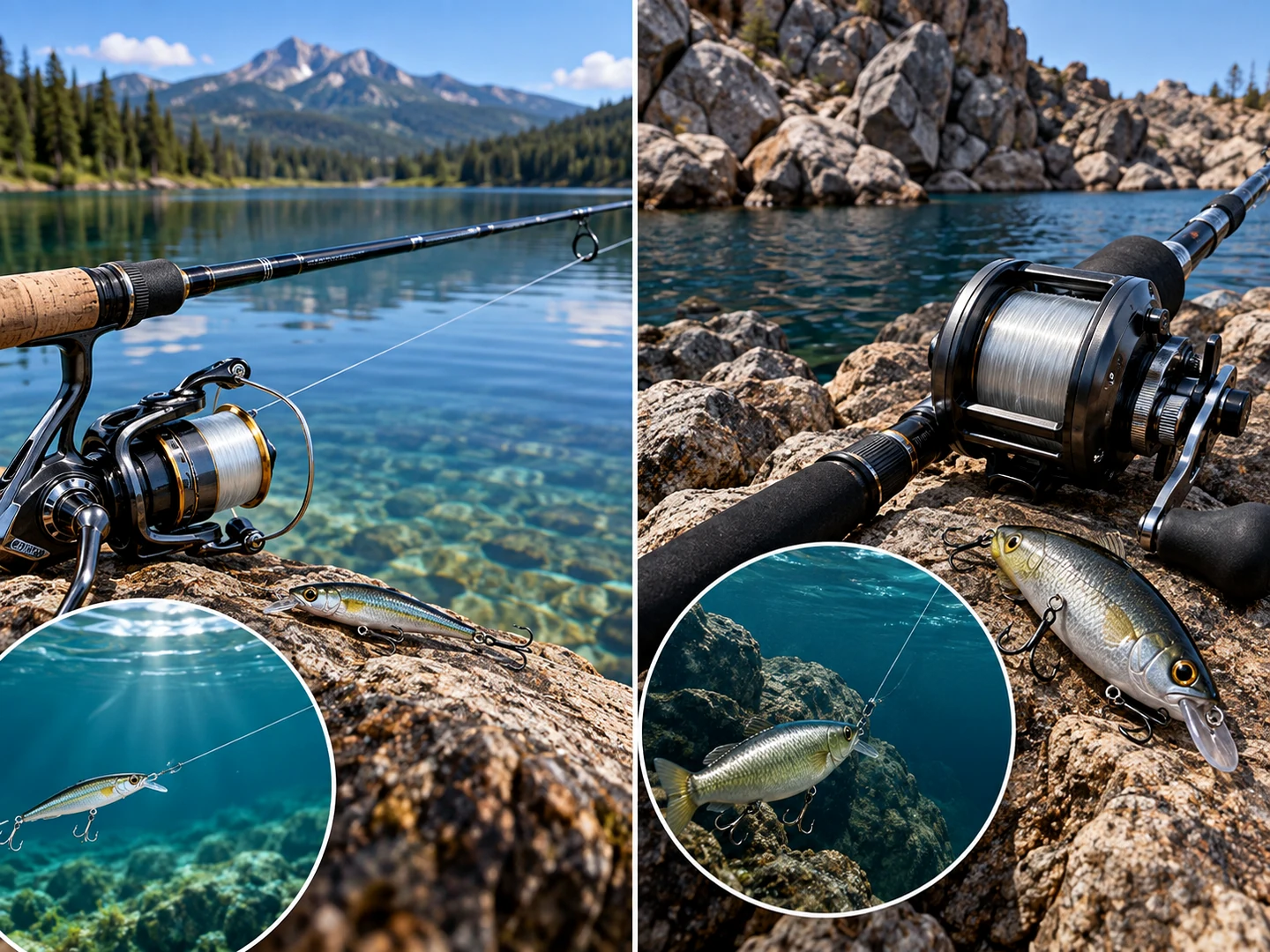
Sufix lists Micro Resin Technology for tensile and knot strength, an extrusion process aimed at easier handling and casting, and G2 Precision Winding to reduce line memory. The 8-pound clear variant is a useful general-purpose size for medium-light to medium freshwater spinning setups, provided it fits the rod and reel ratings.
Good fit if you want
- Freshwater spinning reels in common 6 to 10 lb mono ranges
- Anglers who want nylon mono but dislike springy coils
- General bass, walleye, trout, and panfish setups where appropriate test strength is used
Skip it if you need
- Your line spends most of its time grinding through abrasive cover
- You want braid-like sensitivity
- You need a high-visibility line for visual strike detection
Elite does not eliminate the core characteristics of nylon mono. You still get meaningful stretch, and memory can increase as line ages or sits tightly wound on a small spool. It is better thought of as a refined conventional mono than as a different line category.
Sufix Advance
Pick #4
Verdict: Pick Sufix Advance if you like mono’s handling and shock absorption but want a more direct feel. Its construction blends HMPE with a hyper copolymer, so it is a specialty mono rather than a plain nylon benchmark.
Sufix says Advance combines HMPE and Hyper Copolymer and claims 50 percent lower stretch and UV absorption than standard monofilament. That manufacturer claim is the reason to consider it: the line is aimed at anglers who want more contact with a lure without fully switching to braid or fluorocarbon.
Good fit if you want
- Techniques where a little more lure feedback is useful
- Anglers who prefer mono knots and handling but want reduced stretch
- Low-vis green applications around stained or vegetation-rich water
Skip it if you need
- You want the cheapest conventional mono available
- You specifically want classic nylon behavior
- You actually need the very low stretch and thin diameter of braid
The key trade-off is cost and category purity. Advance is more engineered than basic nylon mono, and that may be unnecessary for simple bobber, bait, or casual all-purpose setups. Buy it because lower stretch matters to your technique, not because premium automatically means better.
Stren Original Hi-Vis Gold
Pick #5
Verdict: Stren Original in Hi-Vis Gold is the practical choice when seeing the line is part of bite detection. The linked 8-pound, 330-yard variant is easy to distinguish above the water, which can matter when fishing slack-line presentations or low-light conditions.
Stren Original remains a broad, traditional mono family with multiple colors and pound tests. In this shortlist, the Hi-Vis Gold version has one clear job: make line movement easier for the angler to see. That is useful for techniques where the line jumps, twitches, or starts moving before you feel the bite.
Good fit if you want
- Watching slack line for subtle movement
- Dawn, dusk, overcast days, and visually tracking a drift
- Anglers who value visual bite detection more than maximum concealment
Skip it if you need
- Bright line color makes you less confident in clear water
- You want a low-vis green or clear main line
- You need a tougher heavy-cover line rather than a visibility-first one
High-vis mono creates a real trade-off: the same color that helps you see the line can also be more conspicuous in the water. In clear-water situations, some anglers address that by choosing clear mono instead, or by adding a suitable leader when the rig and technique justify it.
How to Choose Monofilament Fishing Line
1. Match pound test to the entire setup
Start with the line rating printed on your rod and the capacity range on your reel. Then account for lure size, cover, drag setting, target species, and the chance of contact with rock, wood, shell, docks, or vegetation. As a broad freshwater starting point, 4 to 6 lb mono is common for panfish and light trout work, 8 to 12 lb covers many general bass and mixed-species setups, and 12 to 20 lb is more typical when tackle, fish, and cover get heavier. Those are decision ranges, not universal rules.
2. Spinning reels usually reward softer, smaller-diameter mono
Spinning reels expose line memory quickly because the line leaves the fixed spool in coils. A soft line such as Trilene XL or a memory-focused line such as Sufix Elite is therefore easier to justify on compact spinning tackle than a thick, stiff heavy-duty mono. If coils jump off the spool, do not assume the line is defective. Check whether the pound test is simply too heavy for the spool diameter.
3. Stretch is both a feature and a limitation
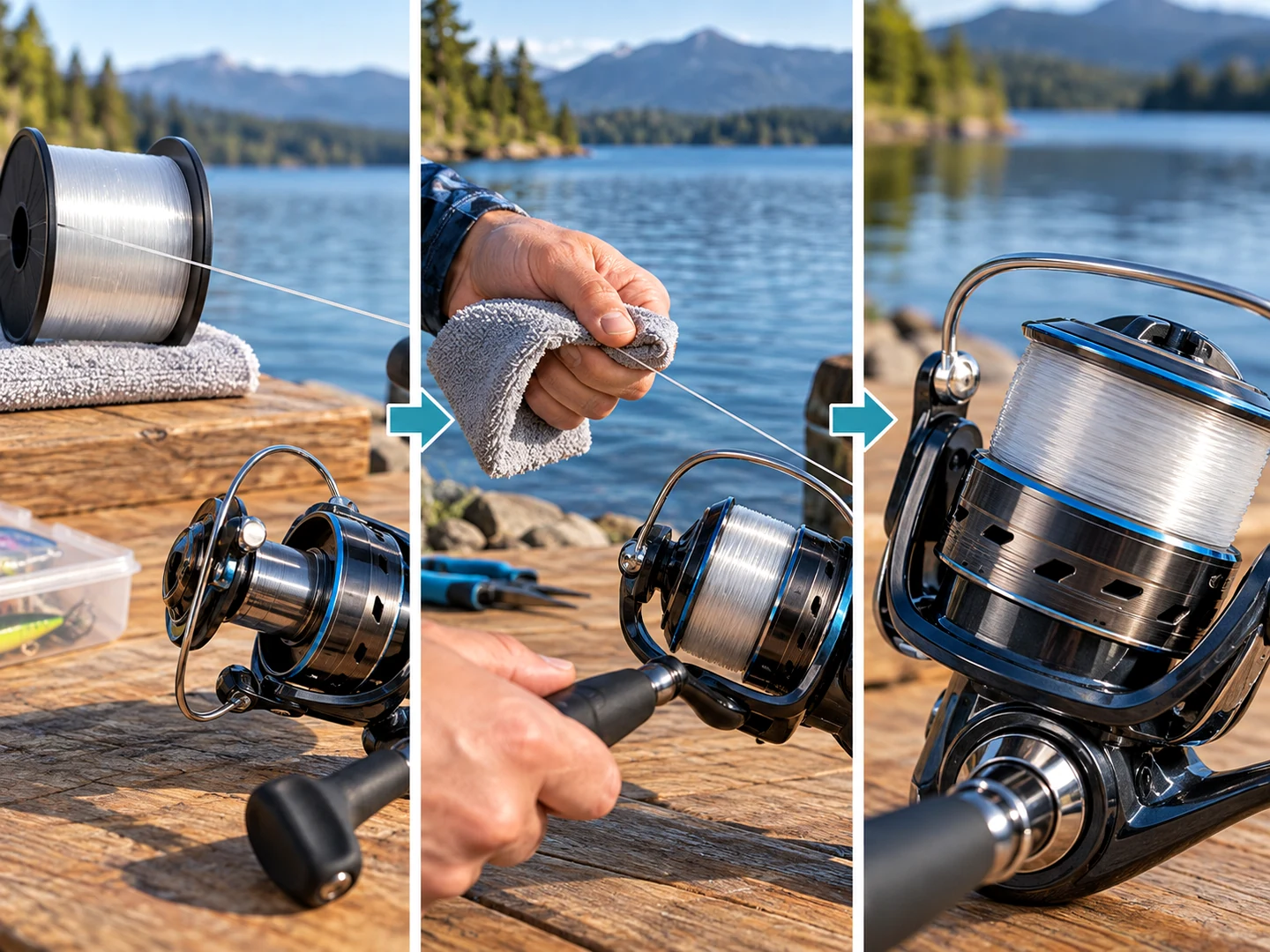
Mono stretches more than braid, and that can cushion sudden surges, reduce pulled hooks, and make the system forgiving. The same stretch also softens long-distance bite transmission and hook-setting response. If you fish moving baits or want shock absorption, conventional mono can be a natural fit. If you want more direct contact while staying with mono, Sufix Advance is the specialized option in this list.
4. Choose visibility for how you actually fish
Clear and low-vis colors are easy default choices when concealment matters to you. High-vis colors are useful when your eyes are part of the strike-detection system. Think about whether you mostly feel bites through a tight line or watch slack line around a float, jig, drift, or slow presentation. There is no universally best color because the benefit happens on opposite sides of the same trade-off.
5. Buy a spool size that matches your maintenance habits
A huge bulk spool is economical only if you will use it while the line remains in good condition. Sun, heat, abrasion, repeated knot tying, and long storage all work against fishing line. A 300 to 330 yard filler spool can be more sensible for one or two reels, while a 900-yard or larger spool makes more sense when you regularly respool multiple setups.
How We Chose These Lines
GearAndFish built this shortlist from the current US search results, manufacturer product information, exact sellable variants from major retailers, and direct Amazon.com US listing verification. We compared what each line family is designed to do, where its construction creates a meaningful advantage, and what trade-off a buyer accepts in return. We do not present personal-use claims.
We also kept the picks role-based. A soft all-purpose mono, a tough big-fish mono, a spinning-reel-focused mono, a lower-stretch hybrid mono, and a high-visibility mono solve different problems. Dynamic Amazon prices, star ratings, review counts, and stock claims are intentionally excluded because they change.
Frequently Asked Questions
What is the best monofilament fishing line for most anglers?
Berkley Trilene XL is the most balanced starting point in this guide because it emphasizes easy handling, smooth casting, and broad freshwater versatility. If your main concern is abrasion, big fish, line visibility, or reduced stretch, one of the more specialized picks can fit better.
What pound test monofilament should I use?
Match the pound test to your rod rating, reel capacity, lure weight, cover, and target fish. Light freshwater setups often use 4 to 6 lb, many general-purpose setups fall around 8 to 12 lb, and heavier applications commonly move into 12 to 20 lb or above. The reel and rod ratings should control the final choice.
Is monofilament good for spinning reels?
Yes. Mono can be simple and forgiving on spinning reels when the diameter is appropriate for the spool. Softer, lower-memory lines are especially useful. Problems usually increase when heavy, stiff mono is forced onto a small spool.
Is monofilament better than braid?
Neither is universally better. Mono is easier to knot for many anglers, provides useful stretch and shock absorption, and is inexpensive. Braid is much thinner for a given strength and has far less stretch, which improves sensitivity and line capacity. The better choice depends on technique, cover, reel, and how much stretch you want.
Does monofilament fishing line go bad?
Mono does age. UV exposure, heat, abrasion, repeated stress, and tight spool memory can all reduce confidence in the line. Inspect it for rough spots, whitening, flattening, excessive coils, or unexplained breakage, and replace it when condition becomes questionable rather than following a fixed calendar rule.
Is high-visibility monofilament worth it?
It is worth considering when visual line watching helps you detect bites or track a drift. The trade-off is that bright line is also more visible in the water than clear or low-vis colors. Use it when the visibility benefit is more important to your technique than maximum concealment.


