
GearAndFish is reader-supported. As an Amazon Associate I earn from qualifying purchases. When you buy through links on our site, we may earn an affiliate commission, at no extra cost to you. Learn more.
The best ultralight fishing rods make tiny jigs, small inline spinners, light spoons, and compact soft plastics feel like the main event instead of an afterthought. For trout and panfish, the useful question is not simply which rod says “ultralight” on the blank. It is which exact length, action, lure range, and piece count fit the water you actually fish.
How this guide was built: This is a research-based buying guide using current manufacturer specifications, exact Amazon US variant mapping, retailer corroboration where needed, and recurring owner feedback. Each recommendation names one specific model so specifications are not blended across an entire rod family.
Best ultralight fishing rods: the short list
For most anglers, the Shimano Sensilite A SENS66ULA is the best starting point. Its 6 ft 6 in length, fast action, 1/32 to 3/16 oz lure rating, and 2 to 6 lb line range make it a clean fit for trout, crappie, bluegill, and other light-line freshwater work. Choose the Okuma Celilo if price matters most, the Daiwa Presso if the rod needs to pack small, the KastKing Zephyr if micro lures are the priority, or the short Ugly Stik GX2 if brushy creeks and compact handling matter more than casting distance.
Our ultralight rod picks at a glance
Shimano Sensilite A SENS66ULA
A versatile 6 ft 6 in one-piece UL with a true small-lure rating and enough length for useful bank-casting reach.
Okuma Celilo CE-S-562ULb
A moderate-action 5 ft 6 in two-piece rod that keeps the entry cost low without abandoning a legitimate 1/32 oz lower lure rating.
Daiwa Presso PSO564ULFS-TR
A four-piece 5 ft 6 in fast UL built to pack down more conveniently than the one-piece and two-piece alternatives here.
KastKing Zephyr Spin Finesse 6 ft 8 in UL
The manufacturer specifically targets baits down to 1/64 oz, and this exact variant combines extra-fast action with a three-piece layout and spare tip.
Ugly Stik GX2 USGXSP481UL
The 4 ft 8 in length is easy to manage under branches and around brush, while the 1/32 to 1/4 oz rating stays squarely in ultralight territory.
How the best ultralight fishing rods compare
| Product | Best for | Exact variant | Main trade-off | Amazon |
|---|---|---|---|---|
| Shimano Sensilite A | Best Overall | 6 ft 6 in, fast, UL, 1-piece | One-piece length is awkward in small vehicles | Check availability on Amazon |
| Okuma Celilo Specialty B | Best Budget | 5 ft 6 in, moderate, UL, 2-piece | Less reach than 6 ft 6 in class rods | Check availability on Amazon |
| Daiwa Presso | Best Travel Rod | 5 ft 6 in, fast, UL, 4-piece | More ferrules than a simple one-piece rod | Check availability on Amazon |
| KastKing Zephyr Spin Finesse | Best for Micro Lures | 6 ft 8 in, extra fast, UL, 3-piece plus extra tip | More specialized than a general UL rod | Check availability on Amazon |
| Ugly Stik GX2 | Best for Tight Creeks | 4 ft 8 in, UL, 1-piece | Short length gives up open-water casting reach | Check availability on Amazon |
Shimano Sensilite A SENS66ULA
6 ft 6 in
1/32-3/16 oz
1
Okuma Celilo Specialty B CE-S-562ULb
5 ft 6 in
1/32-1/4 oz
2
Daiwa Presso PSO564ULFS-TR
5 ft 6 in
1/32-1/4 oz
4
KastKing Zephyr Spin Finesse 6 ft 8 in UL
6 ft 8 in
Extra fast
3 plus extra tip
Ugly Stik GX2 USGXSP481UL
4 ft 8 in
1/32-1/4 oz
1
Shimano Sensilite A SENS66ULA
Pick #1
Choose the 6 ft 6 in Sensilite if you want one ultralight rod that can cover stocked trout, panfish, pond banks, docks, and small moving-water presentations without becoming extremely specialized.
The strongest reason to start here is balance. A 6 ft 6 in rod gives more line control and casting reach than compact 5 ft class creek rods, but it is still short enough for normal pond, dock, and stream work. The fast action also suits anglers who want clearer lure control with small jigs and spinners rather than the deeper loading feel of a moderate rod.
The trade-off is transport. This exact model is one piece. If you need the rod to live in luggage, a hatchback cargo area, or a backpack-friendly tube, the Daiwa Presso or three-piece KastKing is a more practical answer even if the Sensilite is the simpler all-around fishing tool.
Good fit if you want
- One versatile UL rod for trout and panfish
- A 6 ft 6 in blank for better bank-casting reach
- Fast action for small jigs, spoons, and spinners
Skip it if you need
- A compact rod for airline or backpack travel
- A shorter rod for very overgrown creek corridors
- A softer moderate action that loads deeper
Okuma Celilo Specialty B CE-S-562ULb
Pick #2
The 5 ft 6 in Celilo is the value pick for anglers who want a legitimate UL lure range, a two-piece format, and a more forgiving moderate action without spending heavily.
The moderate action is not a weakness by default. It is useful when you want the blank to load more progressively with small moving baits or when light line benefits from a less abrupt rod response. For stocked trout, bluegill, small crappie, and neighborhood ponds, the Celilo covers the core ultralight job without forcing you into premium-rod pricing.
The short length is the main limitation. Compared with a 6 ft 6 in or 6 ft 8 in rod, it gives up some casting reach and line pickup across open banks. Buy it because compact handling, simple transport, and price matter. Do not buy it just because it is inexpensive if your normal water is broad and wind-exposed.
Good fit if you want
- A lower-cost entry into true ultralight tackle
- A moderate action for small moving baits and light line
- A two-piece rod that is easier to transport than a one-piece model
Skip it if you need
- Maximum casting reach from open shoreline
- An extra-fast tip for very crisp micro-jig control
- A four-piece pack rod for compact luggage
Daiwa Presso PSO564ULFS-TR
Pick #3
Pick this exact four-piece Presso when pack size is a first-order requirement but you still want a fast ultralight blank rated down to 1/32 oz.
A travel rod only makes sense if you actually benefit from the sections. Four pieces are a major convenience when you need to fit a rod inside luggage, keep a compact backup in a vehicle, or hike to small water without carrying a long tube. The 5 ft 6 in length also works naturally in brushier trout water where an extra foot of blank can become annoying.
The compromise is that a multi-piece travel rod has more ferrules than a one-piece design, and this 5 ft 6 in version is not the choice for maximizing open-bank distance. Daiwa sells longer Presso pack variants, but this recommendation is intentionally tied to the exact 5 ft 6 in ASIN listed here so there is no model-spec mixing.
Good fit if you want
- A compact four-piece rod for travel
- A true UL fast-action setup for small lures
- A short rod for creeks, hikes, and vehicle storage
Skip it if you need
- The simplicity of a one-piece blank
- Maximum open-bank casting distance
- A longer rod for float control or broad shoreline coverage
KastKing Zephyr Spin Finesse 6 ft 8 in UL
Pick #4
The Zephyr is the most micro-lure-focused choice here, with KastKing explicitly positioning the series for baits down to 1/64 oz and offering this exact 6 ft 8 in extra-fast UL as a three-piece rod with an extra tip.
This is the pick for anglers deliberately moving below the usual 1/32 oz ultralight floor. The longer 6 ft 8 in blank also gives more casting leverage than the compact 5 ft class rods, while the extra-fast action is aimed at more immediate lure input rather than the deeper bend of the moderate Celilo.
That specialization is also the caution. If most of your fishing uses 1/16 to 1/8 oz spinners, spoons, and small plastics, you do not need to buy around a 1/64 oz capability. The simpler Shimano is easier to recommend as a general UL choice. Choose the Zephyr when micro jigs are a real part of your plan, not just a spec-sheet novelty.
Good fit if you want
- Very small jig and micro-lure capability
- Extra-fast action and a longer finesse blank
- A sectional rod with an included spare tip
Skip it if you need
- A simple general-purpose UL with fewer sections
- A short blank for tight brush and tunnel-like creeks
- A softer moderate action for small moving baits
Ugly Stik GX2 USGXSP481UL
Pick #5
The short 4 ft 8 in GX2 is a practical choice when overhanging branches, brush, culverts, and tight casting lanes matter more than long casts across open water.
Length is the feature here. In a tight creek, shorter rods are easier to thread through cover, make compact sidearm casts, and carry through brush. That can matter far more than theoretical casting distance when the target seam is twenty feet away and a six-foot-plus rod keeps catching branches.
The limitation is equally obvious: 4 ft 8 in is short. For open ponds, reservoir banks, or situations where you need to keep more line off the water, choose the Shimano or KastKing instead. The GX2 belongs on this list because it solves a specific space problem, not because short rods are universally better.
Good fit if you want
- A compact rod for overgrown creek banks
- A true 1/32 to 1/4 oz UL lure range
- Simple one-piece construction
Skip it if you need
- Long casts from open shorelines
- Extra line control for floats or deeper water
- A rod that breaks down for luggage
How to choose an ultralight fishing rod
Start with lure weight, not the word ultralight
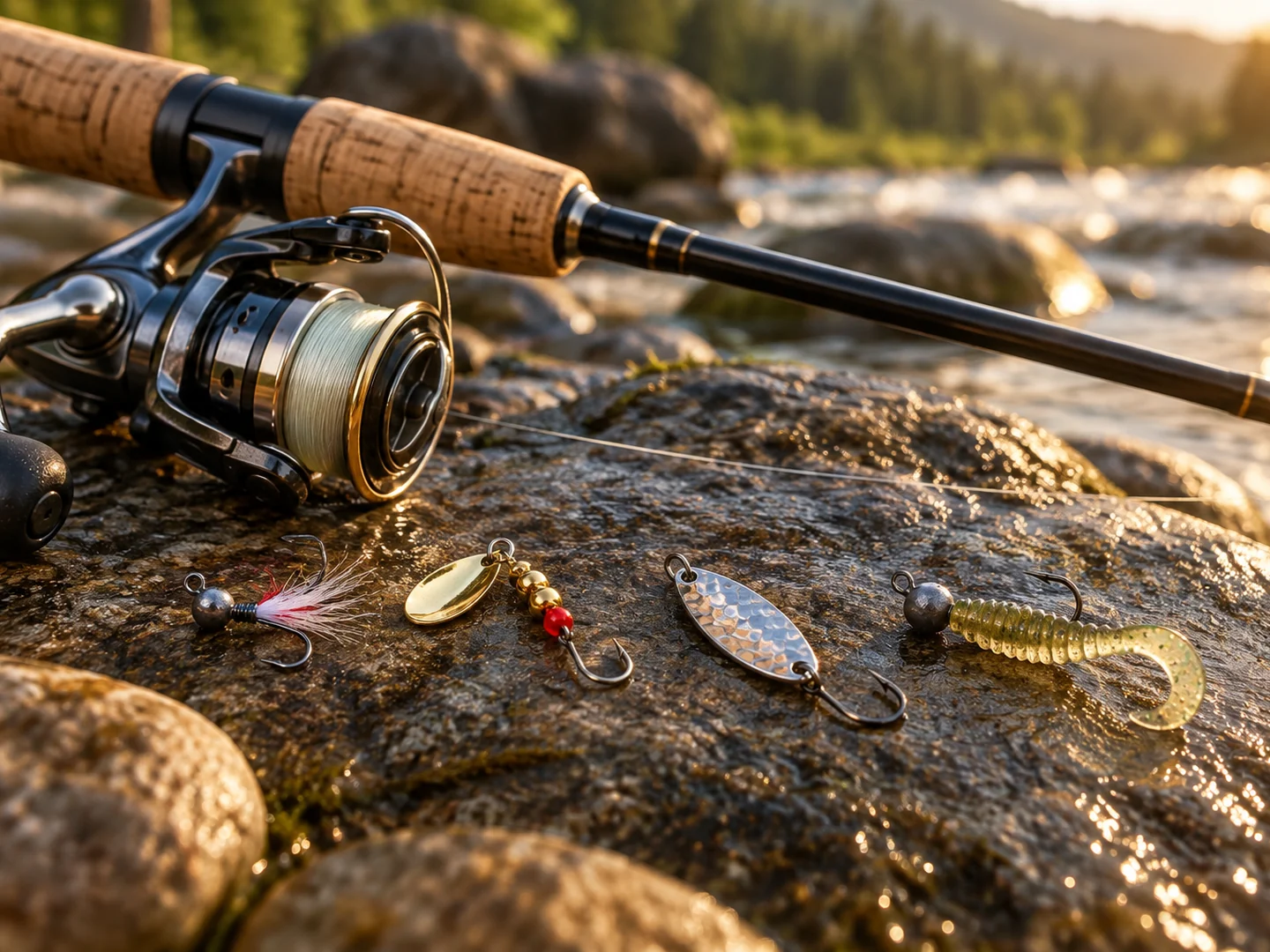
Power labels are not perfectly standardized across brands. The printed lure range is more useful because it tells you what the manufacturer intends the blank to cast. For common trout and panfish work, a lower rating around 1/32 oz is a practical sign that the rod is designed for genuinely small presentations. If you are intentionally fishing 1/64 oz jigs, move toward a rod that is specifically built around that micro-lure niche rather than assuming every UL blank will handle it equally well.
Match rod length to the water
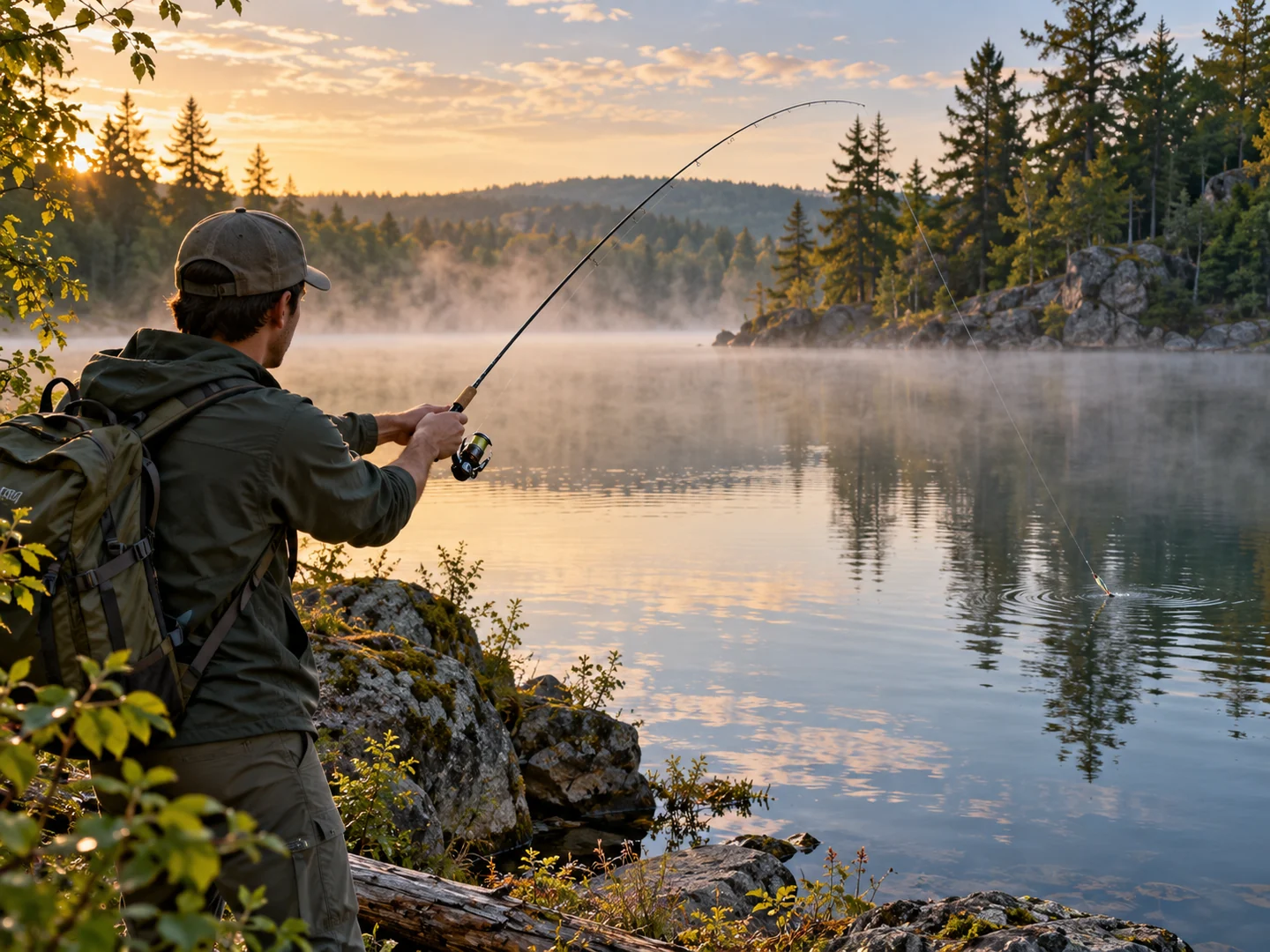
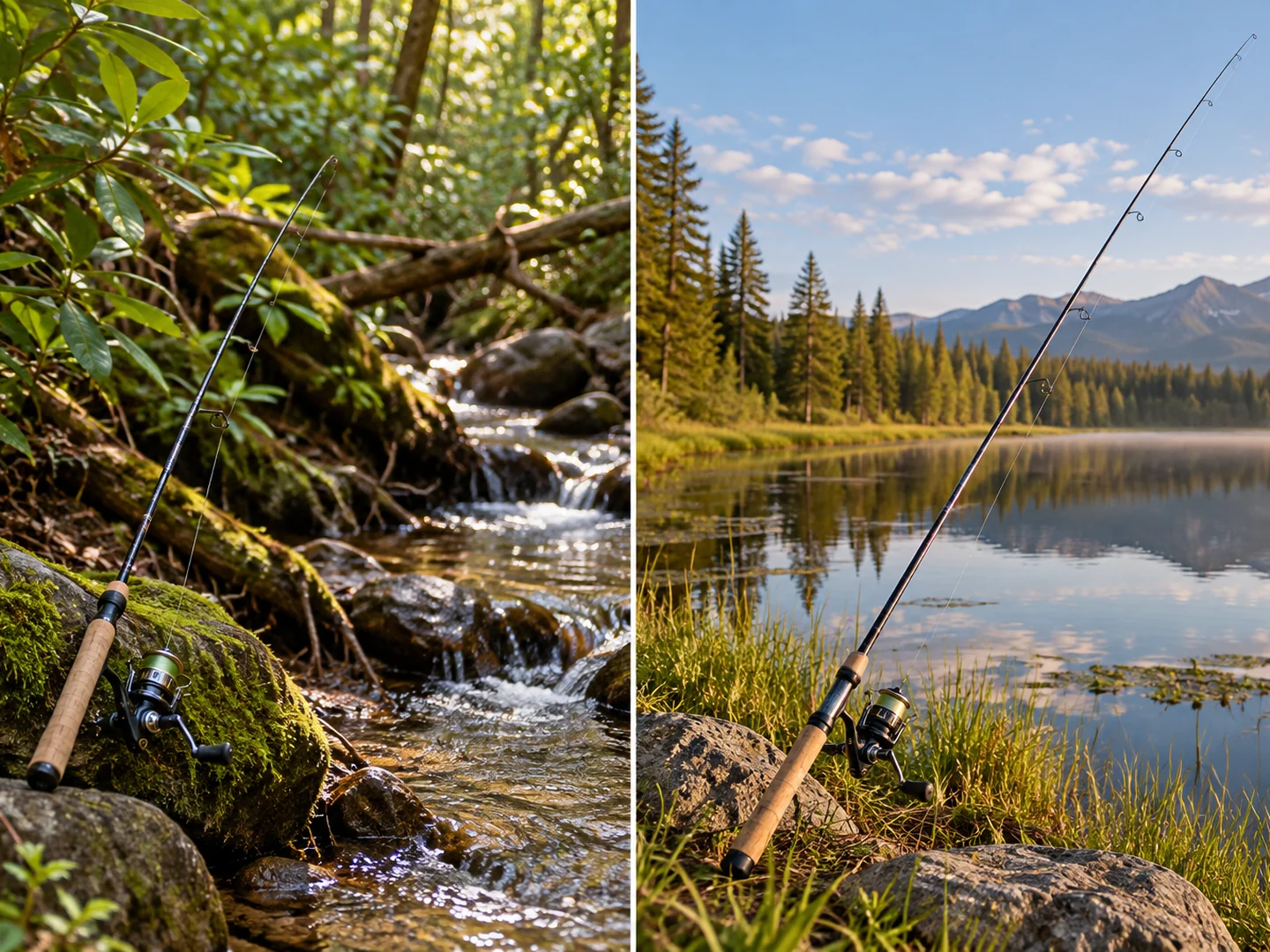
A short ultralight rod is not automatically more sensitive, and a long one is not automatically better. Length is primarily a space, reach, and casting decision. Around 4 ft 8 in to 5 ft 6 in makes sense in brushy creeks, around docks, or anywhere a long blank becomes hard to maneuver. Around 6 ft 6 in gives more casting reach and line control from open banks. The split visual above shows the actual decision: tight water rewards compact handling, while open shoreline gives longer rods room to work.
Fast versus moderate action
Fast and extra-fast rods concentrate more flex toward the tip, which can make small jigs and single-hook presentations feel direct. A moderate rod bends deeper and can feel smoother with tiny moving baits or light line. Neither is universally superior. The Shimano is the balanced fast-action option in this guide, the Okuma is the softer moderate choice, and the KastKing is the more specialized extra-fast option.
One piece, two piece, or travel rod?
If storage is easy, a one-piece rod removes the assembly question entirely. Two-piece rods are the everyday compromise for many anglers. Four-piece travel rods solve a different problem: getting a functional setup into compact luggage or a small vehicle. Buy extra sections because you need the packability, not because more pieces are inherently better.
Pair the rod with a genuinely light reel
An ultralight rod works best when the rest of the setup stays proportionate. A compact spinning reel and light line keep the system balanced and make tiny lures easier to cast. If you are building the combo from scratch, our guide to the best ultralight spinning reels is the natural next step. If you are not sure UL is the right rod category at all, compare it with the broader best spinning rods guide before buying.
Choose line around the lure and cover
Most of the rods here are built around light line, but that does not mean one line setup fits every situation. Open-water trout and panfish can reward thin line and easy casting. Abrasive rock, wood, or vegetation may justify a tougher leader or a slightly more conservative setup. Stay inside the rod maker’s line range, then choose line type and leader material for the actual cover and lure rather than chasing the thinnest number possible.
What ultralight rods are actually good for
Ultralight gear is at its best when the lure and target species are both on the small side. Stocked trout, creek trout, bluegill, sunfish, crappie, perch, and smaller bass are common matches. Small jigs, inline spinners, compact spoons, and downsized soft plastics all make sense. For trout specifically, see our separate guide to the best trout lures for presentation ideas that fit this tackle class.
Ultralight is less convincing when heavy cover, large hooks, big hard baits, thick vegetation, or consistently large fish require more power. If your lure box starts around 1/4 oz and commonly climbs higher, a light or medium-light spinning rod may be a better tool. Our broader best fishing rods guide explains where other rod styles fit.
How we picked these rods
Every pick is tied to a specific model number and Amazon US ASIN. We did not copy a family-level spec table and assume every length shares the same action, lure range, or piece count.
Shimano, Okuma, KastKing, and Ugly Stik current US pages were used where available. Daiwa Presso specifications were corroborated with current retailer model tables and exact Amazon-derived model data.
The five picks solve different jobs: all-around use, lower budget, travel, micro lures, and tight creeks. That is more useful than ranking five nearly identical 6 ft UL rods.
Recommendations are based on published specifications, current model availability signals, and owner-feedback patterns. We do not present editorial research as personal fishing experience.
Model and Amazon mapping checked September 28, 2026. Prices and stock can change, so Amazon buttons are presented as availability checks rather than fixed-price claims.
FAQ
What length ultralight fishing rod is best?
For general bank fishing, around 6 ft to 6 ft 6 in is a versatile starting range. Shorter 4 ft 8 in to 5 ft 6 in rods are easier in brushy creeks, while longer ultralight rods can improve reach and line control in open water.
What lure weight should an ultralight rod cast?
Many practical ultralight rods begin around 1/32 oz and extend to roughly 3/16 or 1/4 oz, but the exact printed range matters more than the power label. Specialized micro-lure rods may be designed for lighter presentations such as 1/64 oz.
Is ultralight or light power better for trout?
Ultralight is a strong match for small trout lures, light line, and modest fish in streams, ponds, and stocked water. Light power is the better choice when lures, current, cover, or fish size regularly push beyond the UL rod’s rating.
Can you catch bass on an ultralight rod?
Yes, especially smaller bass in open water with small lures, but ultralight tackle is not the best choice for heavy cover or techniques that need strong hooksets and more power. Match the rod to the lure and cover before the species label.
Is a one-piece ultralight rod better than a two-piece rod?
Not for every buyer. A one-piece rod is simple and avoids a ferrule, while two-piece and multi-piece rods are much easier to store and travel with. The best choice depends on transport needs more than a universal performance rule.